


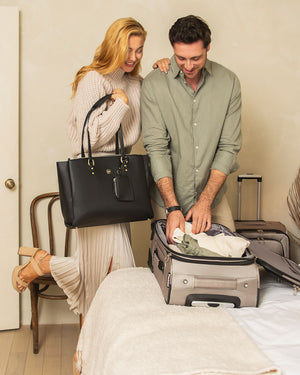


Pack for college in seven categories: bedding (Twin XL, almost always), clothing for 10 to 14 days, bathroom and shower, laundry and cleaning, desk and tech, health and documents, and carry gear. Confirm your residence hall rules before you buy anything, because bed size, appliance policies, and room dimensions vary by school. Everything else can wait until you have seen the room.
What follows is the full version: a practical, parent-approved, student-ready list of what actually makes a dorm work from day one. Start broad here, then cut it down to your campus, your roommate setup, your climate, and your schedule.
Dorm packing at a glance
|
Category |
Bring |
Skip or buy later |
|
Bedding |
Twin XL sheets, mattress topper, pillow, throw |
Decorative pillows, extra duvets |
|
Clothing |
10 to 14 days of layers, one professional outfit |
Out-of-season clothing, full closet |
|
Bathroom |
Shower caddy, shower shoes, towels |
Bulk toiletries |
|
Laundry |
Hamper or laundry backpack, detergent, stain remover |
Iron and ironing board |
|
Desk |
Laptop, sleeve, lamp, notebooks, backpack |
Printer, full tool set |
|
Kitchen |
Water bottle, mug, one place setting, containers |
Cookware, appliances until roommates coordinate |
|
Storage |
Under-bed bins, slim hangers |
Every organizer, before seeing the room |
|
Carry |
Backpack, carry-on, duffel, packing cubes |
Large furniture, irreplaceable valuables |
Start with the move-in day basics
Your first priority is getting everything from the car to the room without a second trip. Move-in day runs hot, crowded, and short on patience, and it is rarely the moment to discover your bedding sits under a semester of supplies.
A checked spinner like the Sion Reserve Medium carries the bulk of your basics and bedding, then doubles as your spring break suitcase when the semester turns.
Move-in helpers:
• A durable backpack for your laptop, cords, water bottle, and first-day documents. The Travel Tech Elite and the Cecil both handle a full class day.
• Rolling luggage or a duffel for clothing and linens. The Apex 20" Duffel pulls double duty for laundry runs and gym sessions.
• Collapsible bags or totes. The Weekender and Mini Weekender fold flat and carry awkward loads.
• Packing cubes or pouches to separate categories
• Labels or masking tape for boxes and bins
• Basic toolkit or multi-tool
• Reusable water bottle
• Snacks for move-in day
• Phone charger and portable power bank
• Copies of move-in instructions, parking pass, and dorm assignment
Packing tip: Pack one "open first" bag with sheets, toiletries, pajamas, chargers, medications, and a change of clothes. After a day of lifting boxes and meeting strangers, you will want the essentials within reach.
Bedding that makes a dorm bed feel like home
Dorm beds run simple by design, so comfort comes from what you bring. Most residence halls use Twin XL mattresses. Confirm your school’s size before ordering anything.
Your bedding checklist:
• Twin XL sheet set
• Mattress protector
• Mattress topper or pad
• Comforter or duvet
• Extra blanket or throw
• Pillow or pillows
• Pillowcases
• Bedside caddy for lofted beds
• Sleep mask and earplugs, especially in a shared room
A mattress topper transforms a standard dorm mattress. A bedside caddy keeps your phone, glasses, book, and charger within reach when the room has no nightstand.
Everyday clothing and shoes
The goal is versatility, not your entire closet. Focus on clothes that layer, mix easily, and suit your campus climate.
Pack for:
• Everyday classes
• Studying and lounging
• Workouts or intramural sports
• Rain, snow, or seasonal weather
• Presentations, interviews, or career fairs
• Going out or campus events
• Sleepwear
• Laundry gaps
Suggested items:
• T-shirts and long-sleeve shirts
• Sweatshirts or hoodies
• Jeans, pants, leggings, or joggers
• Shorts or skirts, depending on climate
• Underwear and socks
• Pajamas
• Workout clothes
• Light jacket or rain jacket
• Winter coat, gloves, hat, and boots if needed
• One professional outfit
• Casual shoes
• Shower shoes
• Athletic shoes
• Dress shoes or flats
Packing tip: Bring 10 to 14 days of clothing, then plan on laundry. Dorm storage runs tight, and overpacking clothes crowds a small room faster than anything else.
Bathroom and shower essentials
Communal bathroom down the hall or a shared suite bath, either way a portable system keeps mornings simple.
• Shower caddy
• Shower shoes or flip-flops
• Bath towels
• Washcloths or hand towels
• Robe or towel wrap
• Toothbrush and toothpaste
• Floss and mouthwash
• Shampoo and conditioner
• Body wash or soap
• Face wash
• Deodorant
• Razor and shaving cream
• Hairbrush or comb
• Hair products
• Nail clippers
• Skincare basics
• Feminine hygiene products, if needed
• Contact lenses, solution, or glasses supplies
A mesh or quick-dry shower caddy drains easily and travels well from room to shower. A dopp kit works for the same job if you prefer something that zips shut.
Laundry and cleaning supplies
Laundry gets much easier with the right basics from week one. Same goes for keeping a small shared room livable.
Laundry
• Laundry hamper or backpack-style laundry bag
• Detergent pods or liquid detergent
• Dryer sheets or dryer balls
• Stain remover
• Lint roller
• Delicates bag
• Quarters or laundry card, if required
Cleaning
• Disinfecting wipes
• Paper towels
• Small trash bags
• Mini broom and dustpan
• Handheld vacuum, if allowed and space permits
• All-purpose cleaner
• Air freshener, if permitted
Packing tip: Skip bulk cleaning supplies unless you have somewhere to put them. A small starter set covers the first month, which is about how long it takes to learn what you actually use.
Desk, study, and class supplies
Some of this depends on the major, the professor, and the syllabus, so keep the category flexible. Start general, then adjust once classes begin.
• Laptop and charger
• A protective laptop sleeve or a backpack with a padded compartment
• Notebooks or loose-leaf paper
• Folders or binders
• Pens and pencils
• Highlighters
• Sticky notes
• Index cards
• Planner or digital calendar system
• Calculator, if required
• Desk lamp
• Desk organizer
• Stapler or mini stapler
• Tape and scissors
• A backpack for daily campus carry. The Campus and the Bungee Core both run light for long walks across campus.
The backpack does more work than anything else on this list. It becomes the hub for class, study sessions, library trips, weekend travel, and everything between. Look for padded laptop protection, comfortable shoulder straps, and enough organization to keep chargers, notebooks, keys, and a campus ID from disappearing into one pocket. Every SWISSGEAR backpack carries a 5-year limited warranty, which matters more in year three than it does on move-in day. Compare the range in laptop backpacks.
Tech and charging gear
College runs on devices, so plan for charging, storage, and safe transport.
• Laptop
• Laptop charger
• Phone charger
• Extra charging cables
• Power bank
• Surge-protected power strip, if permitted
• Headphones or earbuds
• External hard drive or cloud backup plan
• USB drive, if useful
• Mouse or keyboard, if preferred
• HDMI cable, if needed
• Ethernet cable, if the school recommends one
• Small Bluetooth speaker, if allowed
Check your residence hall policy before packing extension cords, routers, printers, or certain power strips. These rules vary by school, and some items are restricted outright.
Health, safety, and personal care
A small wellness kit saves late-night store runs and lets students handle minor problems on their own.
Health and personal care
• Prescription medications
• Copies of prescriptions
• Health insurance card
• Basic first-aid kit
• Bandages
• Pain reliever
• Allergy medicine
• Cold medicine
• Thermometer
• Hand sanitizer
• Sunscreen
• Lip balm
• Reusable face masks, if preferred
• Vitamins or supplements, if used
Documents to bring
• Driver’s license or state ID
• Student ID, if already issued
• Health insurance card
• Debit or credit card
• Banking information
• Emergency contact list
• Passport, if needed
• Car registration and insurance, if bringing a car
Keep documents in a secure folder, pouch, or small lockbox. A wallet or card case handles the daily carry. Students will not need every document often, but the right paperwork on hand smooths campus jobs, appointments, banking, and travel.
Food, hydration, and dorm-friendly kitchen items
Even with a meal plan, most students want snacks and simple options in the room. Coordinate with roommates before anyone buys a microwave, mini fridge, coffee maker, or kettle, and check dorm policy first to avoid duplicates or banned items.
• Reusable water bottle
• Coffee mug or insulated tumbler
• Bowl and plate
• Fork, spoon, and knife
• Food storage containers
• Reusable snack bags
• Can opener
• Dish soap and sponge, if needed
• Paper towels or napkins
• Easy snacks
• Tea, coffee, or drink mixes
Packing tip: Start small. Students can add kitchen items once they know their routine, their meal plan habits, and how much storage they actually have.
Storage and organization for small spaces
Dorm rooms ask a lot from very little square footage. Smart organization keeps the room livable, especially with two people sharing it.
• Under-bed storage bins
• Drawer organizers
• Hanging closet organizer
• Slim hangers
• Over-the-door hooks, if allowed
• Shoe organizer
• Bedside caddy
• Desk trays or small bins
• Laundry hamper
• Foldable storage cube or ottoman
Resist buying every organizer before move-in. Unpack first, see the real layout, then add the pieces that solve actual problems.
Room comfort and personal touches
A dorm room does not need to look staged. A few thoughtful items make it calmer, warmer, and more like yours.
• Photos or small wall prints
• Approved wall-safe adhesive strips
• Throw blanket
• Small rug, if desired
• Fan, if allowed
• Clip-on reading light
• Small mirror
• Desk or bedside lamp
• Calendar or dry-erase board
• Plants, if the student will actually water them
Check residence hall rules before bringing curtains, string lights, candles, heated blankets, or appliances. Most campuses run specific fire and safety policies.

Backpack, luggage, and travel gear
College students move constantly: to class, to the library, home for a weekend, out for break. Dependable carry gear earns its place on this list more than almost anything else.
• Everyday backpack with laptop protection
• Carry-on luggage or a rolling suitcase
• Duffel or weekender bag
• Laundry bag that doubles for travel
• Luggage tag
• Compact umbrella
This is where quality pays for itself. A well-built backpack or suitcase keeps students organized, protects their tech, and moves comfortably through a long campus day. Luggage carries a 10-year limited warranty; backpacks and bags carry 5-year limited.
What to leave at home
A useful packing list says what to skip. Dorm rooms fill fast, and some things are better bought later, shared with a roommate, or left behind entirely.
• Large furniture
• Too many decorative pillows
• Excessive dishes and cookware
• Full-size vacuum
• Iron and ironing board
• Printer, unless truly needed
• Extra appliances
• Large tool sets
• Valuables or sentimental items you cannot replace
• Too many books from home
• Out-of-season clothing
When in doubt, wait. Students can pick up extras after move-in, once they know what fits, what is allowed, and what they will actually use.
A simple final packing strategy
Organize by category, pack for the first week first, and stop trying to solve every possible need before move-in.
• Confirm dorm rules, bed size, and provided furniture.
• Coordinate shared items with roommates.
• Pack bedding, toiletries, medications, documents, and chargers where they stay easy to reach.
• Use luggage, bins, and bags by category instead of mixing everything together.
• Label anything that gets unloaded fast on move-in day.
• Keep one backpack or personal bag with valuables and must-have paperwork.
• Make a short "buy later" list for anything that depends on the room layout.
Packing for the first semester is about being prepared, not packing perfectly. With the right essentials, a dependable bag, and a flexible plan, students arrive ready for class, community, and whatever the year turns into.
Build a smarter move-in setup with SWISSGEAR backpacks, luggage, and travel accessories that keep students organized from move-in through every campus day after.